

This post contains affiliate links for your convenience. If you make a purchase via my link, I may receive a commission at no additional cost to you. This helps fund my time invested in creating content and supporting the community.
Want to start or grow a bookkeeping business but not sure where to begin? This guide walks you through the practical steps: choosing your niche, creating a clear offer, building trust, finding clients online, pricing your services, onboarding clients, and growing with more confidence.
It is designed for beginners, newly qualified bookkeepers, side-hustle bookkeepers, and existing bookkeeping business owners who want a more consistent way to attract clients.
Before You Start
This guide is educational and practical in nature. It is designed to help you think through positioning, client acquisition, service packaging, marketing, and growth. It is not legal, tax, financial, or professional accounting advice.
Requirements for bookkeeping, tax work, payroll, and accounting services vary by location, so always check local rules and professional standards before offering regulated services.
Best way to use this guide
Do not try to implement everything at once. Read the whole guide once, then choose one niche, one offer, one marketing channel, and one simple weekly outreach routine. Momentum comes from consistency, not from building the perfect website or waiting until everything feels ready.
****
Are you looking at course options? Here is a note on our referral partner:
Here’s Why The Bookkeeper Launch Online Program Is Highly Recommended
One of the most trusted training options for aspiring virtual bookkeepers is Bookkeeper Launch. It is designed to help beginners learn the practical bookkeeping skills, systems, confidence, and client-getting strategies needed to start and grow a bookkeeping business from home.
Bookkeepers.com is also a BBB Accredited Business with an A+ rating, which gives extra reassurance to people comparing bookkeeping training options.
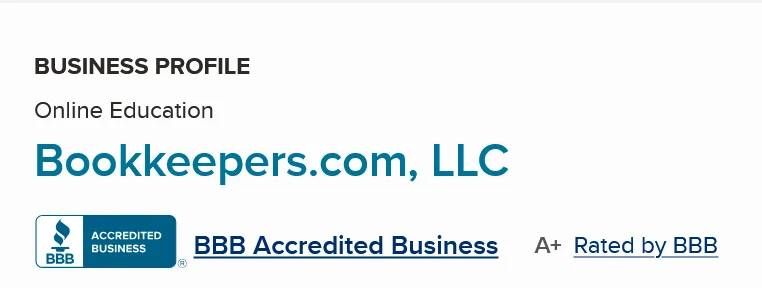
According to its BBB profile, Bookkeepers.com offers online courses to help people start and grow a virtual bookkeeping business, and its listed services include bookkeeping courses, business training, client services, marketing techniques, and systems development.
Note: You can take a free demo of the course here to get an inside peek at the student dashboard!
Student feedback is also very positive, with reviews regularly highlighting the course structure, depth of training, beginner-friendly lessons, supportive community, and practical business-building guidance.
In other words, it is not just about learning bookkeeping theory — it is built around helping students move toward offering bookkeeping services professionally.
For anyone who wants a guided, structured path rather than trying to piece everything together alone from free videos and random online advice, Bookkeeper Launch is well worth exploring.
Check out the free training and discover if it’s the right program for you!
****
Table of Contents
Use this guide from top to bottom if you are just starting, or jump to the sections most relevant to your current stage of growth.
1. The Opportunity: Why Small Businesses Need Bookkeepers
2. What Clients Actually Buy
3. Choosing Your Niche and Ideal Client
4. Creating a Clear Service Offer
5. Pricing Your Bookkeeping Services
6. Your Trust-Building Foundations
7. Free and Low-Cost Digital Marketing Strategies
8. Outreach, Referrals, and Partnerships
9. Sales Conversations That Feel Natural
10. Onboarding Clients Professionally
11. Retention, Reviews, and Referrals
12. Tools, Systems, and Simple Automation
13. Your 30/60/90-Day Growth Plan
14. Templates, Scripts, and Checklists
15. Source Notes and Further Reading
1. The Opportunity: Why Small Businesses Need Bookkeepers
Bookkeeping is not just data entry. For small business owners, good bookkeeping is the difference between guessing and knowing. It helps them understand cash flow, prepare for tax season, make better decisions, spot problems earlier, and reduce financial stress.
Many small businesses are started by people who are excellent at their craft but not naturally confident with numbers. A tradesperson may be brilliant on-site but behind on receipts. A salon owner may know how to keep clients happy but struggle to track profit by service. A coach, consultant, or online business owner may have income coming through different platforms and no clean monthly view of what is happening.
That is where a reliable bookkeeper becomes valuable. The strongest opportunity is not simply “doing the books.” It is helping business owners feel organized, informed, and in control.
Core idea
Clients rarely wake up thinking, “I need a bookkeeper.” They wake up thinking, “I am behind,” “I do not know where my money is going,” “Tax season is stressful,” or “I need someone I can trust to sort this out.” Your marketing should speak to those problems.
What makes bookkeeping attractive as a business?
- It can be started with relatively low overhead compared with many businesses.
- It can often be delivered remotely with cloud accounting tools.
- It can create recurring monthly revenue rather than one-off project income.
- It serves a real, ongoing business need rather than a passing trend.
- It can be niched by industry, business size, software platform, or problem type.
The market is broad
In the United States, the Small Business Administration reports that small businesses make up nearly all U.S. businesses, and its 2024 small business profile describes a large and constantly changing small business market with more than a million openings and hundreds of thousands of closings in the referenced period.
That churn creates both demand and confusion: new owners often need help setting up financial systems correctly, while established owners often need help cleaning up and maintaining their books.
The Bureau of Labor Statistics reported a May 2024 median annual wage of $49,210 for bookkeeping, accounting, and auditing clerks. That figure is for employment, not business ownership, but it helps show that bookkeeping skill has recognized market value.
A freelance or business-owner model is different because income depends on pricing, positioning, client volume, retention, and efficiency.
Beginner mindset: start useful, not perfect
Many new bookkeepers delay getting clients because they feel they need a perfect brand, advanced website, huge audience, or complete confidence. In reality, your first stage is about becoming useful to a specific type of client with a clear, simple offer.
| Beginner trap | Better approach |
|---|---|
| Trying to appeal to everyone | Pick one or two client types to focus your message. |
| Building a complicated website first | Create a simple one-page presence that explains who you help and how. |
| Waiting until you feel fully confident | Start with a narrow service you can deliver well. |
| Underpricing to get experience | Use fair starter pricing with clear boundaries. |
| Posting random tips online | Create content around client problems and buying triggers. |
2. What Clients Actually Buy
A business owner does not buy bookkeeping because they love reconciliations. They buy outcomes. They want fewer headaches, cleaner records, better cash visibility, fewer surprises, and someone dependable who keeps the financial admin under control.
The visible service versus the emotional benefit
| Service you provide | What the client is really buying |
|---|---|
| Monthly reconciliations | Confidence that transactions are correctly recorded. |
| Accounts receivable tracking | A clearer picture of who owes money and when to follow up. |
| Accounts payable support | Less risk of missed bills, late fees, and supplier issues. |
| Monthly reports | A simple view of profit, cash flow, and business health. |
| Cleanup work | Relief from the stress of messy or overdue books. |
| Payroll coordination | Reduced admin burden and fewer mistakes. |
Common client pain points
- Receipts and invoices are scattered across email, bank statements, apps, and shoeboxes.
- The business owner does not know whether they are actually profitable.
- The books are months behind and tax season feels overwhelming.
- They are mixing personal and business expenses.
- They are unsure what to pay themselves.
- They are growing but their systems are still informal.
- They have software but do not understand how to use it properly.
- They have had a bad experience with a previous bookkeeper or accountant.
Your marketing should translate features into outcomes
Instead of saying only “monthly bookkeeping services,” explain the result. For example: “I help small service-based businesses keep clean monthly books so they know where their money is going and can make tax season less stressful.”
Simple positioning formula
I help [specific type of business] with [specific financial problem] so they can [clear outcome].
Example: I help solo service business owners clean up and maintain their books so they can understand profit, stay organized, and stop dreading tax season.
The trust factor
Bookkeeping is a trust-heavy service. You are asking clients to share sensitive financial information. That means your growth depends not just on visibility, but on credibility. A flashy marketing tactic cannot compensate for unclear communication, weak boundaries, or poor follow-through.
☐ Use a professional email address rather than a casual personal email.
☐ Explain your process clearly before asking for documents or access.
☐ Use secure systems for document sharing and passwords.
☐ Respond in a timely, calm, professional way.
☐ Avoid overpromising on tax, legal, or advisory topics outside your scope.
☐ Set clear deadlines and client responsibilities from the start.
3. Choosing Your Niche and Ideal Client
You do not need a niche forever, but you do need a clear starting point. A niche makes your marketing easier because you can speak directly to one type of person and their specific problems. It also helps referrals because people remember specialists more easily than generalists.
Four practical ways to niche
| Niche type | Examples | Why it helps |
|---|---|---|
| Industry | Trades, salons, coaches, real estate agents, ecommerce, restaurants, nonprofits | You learn common transactions, software needs, and pain points. |
| Business stage | Startups, first-year businesses, growing teams, cleanup clients | Your message matches their urgency and level of sophistication. |
| Software | QuickBooks Online, Xero, FreshBooks, Wave | Clients often search for help with a specific platform. |
| Problem | Book cleanup, monthly bookkeeping, cash flow reporting, catch-up bookkeeping | You target a high-intent pain point. |
Good beginner niches
A good beginner niche has accessible decision-makers, recurring bookkeeping needs, and problems you can understand quickly. It does not have to be glamorous. In fact, ordinary local businesses are often better than trendy niches because they have real transactions every month.
- Solo service providers: coaches, consultants, designers, photographers, virtual assistants.
- Trades and home services: electricians, plumbers, landscapers, cleaners, handymen.
- Wellness and beauty: salons, massage therapists, personal trainers, yoga studios.
- Local professional services: small law offices, marketing consultants, agencies, recruiters.
- Online sellers and ecommerce: Shopify sellers, Etsy sellers, Amazon sellers, digital product creators.
Ideal client worksheet
| Question | Your answer |
|---|---|
| What type of business do I understand or enjoy learning about? | |
| What size client do I want: solo, micro-business, or small team? | |
| What problem will I help them solve first? | |
| What software will I support? | |
| What monthly budget might this client realistically have? | |
| Where does this client already spend time online or locally? | |
| Who already serves this client and could become a referral partner? |
Niche examples you can adapt
| Positioning angle | Example message |
|---|---|
| Trades | Clean monthly books for busy tradespeople who would rather be on the job than chasing receipts. |
| Coaches and consultants | Simple bookkeeping support for coaches and consultants who want to understand income, expenses, and profit without spreadsheet stress. |
| Cleanup | Catch-up bookkeeping for small business owners who are behind and need their records organized. |
| QuickBooks Online | QuickBooks Online setup, cleanup, and monthly bookkeeping for small service businesses. |
| Ecommerce | Bookkeeping support for online sellers who need clearer sales, fees, inventory-related expenses, and monthly reporting. |
Important
Your niche is a marketing decision, not a prison sentence. You can start narrow, learn what works, and adjust later.
4. Creating a Clear Service Offer
A service offer is not just a list of tasks. It is a defined solution with a clear buyer, clear scope, clear outcome, and clear next step. When your offer is vague, prospects hesitate. When your offer is clear, they can quickly decide whether it fits them.
Three core offer types
| Offer type | Best for | Typical components |
|---|---|---|
| Setup | New businesses or businesses moving to cloud software | Chart of accounts setup, bank feeds, software configuration, basic training. |
| Cleanup/Catch-up | Businesses behind on books or preparing for tax/accountant review | Transaction categorization, reconciliations, error correction, report review, handoff summary. |
| Monthly bookkeeping | Businesses that want ongoing support | Monthly reconciliations, expense categorization, reports, review call, document reminders. |
A strong beginner offer
For many new bookkeeping businesses, the best starting offer is a combination of cleanup plus ongoing monthly maintenance. Cleanup creates a clear entry point for clients with urgent pain. Monthly maintenance creates recurring revenue.
Example offer: Small Business Books Reset
For small service businesses whose books are behind or disorganized. Includes a review of current records, bank and credit card reconciliation, categorization of transactions, a cleanup summary, and a simple monthly maintenance plan to keep everything current going forward.
What to include in monthly bookkeeping
☐ Monthly bank and credit card reconciliations.
☐ Categorization of income and expenses.
☐ Review of uncategorized or unclear transactions.
☐ Monthly profit and loss report.
☐ Balance sheet review where appropriate.
☐ Accounts receivable or payable support if included in package.
☐ Short monthly email summary or review call.
☐ Secure document request process.
What to exclude or define carefully
- Tax filing unless you are qualified and legally permitted to provide it.
- Payroll unless you have the appropriate knowledge, tools, and compliance process.
- Unlimited calls or unlimited messages.
- Complex inventory accounting unless you are prepared for it.
- CFO-level advisory unless you have the experience and price accordingly.
- Fixing years of messy books under a low monthly maintenance fee.
Scope clarity language
Use plain language in your proposals. Clients should understand exactly what is included, what is not included, what you need from them, and when they can expect deliverables.
Sample scope statement
This package includes monthly transaction categorization, bank and credit card reconciliations, and delivery of a monthly profit and loss report. It does not include tax filing, payroll processing, inventory accounting, or bookkeeping cleanup for periods before the start date unless agreed separately.
5. Pricing Your Bookkeeping Services
Pricing is one of the biggest confidence issues for new bookkeepers. The goal is not to be the cheapest. The goal is to price in a way that is fair to the client, sustainable for you, and aligned with the value and responsibility involved.
Avoid pricing only by the hour
Hourly pricing can work for cleanup or undefined projects, but it often creates tension. The client worries about hours. You earn less as you become more efficient. Monthly packages are usually easier for ongoing bookkeeping because the client knows what they will pay and you can plan recurring income.
Common pricing models
| Model | How it works | Pros | Cons |
|---|---|---|---|
| Hourly | Client pays for time spent. | Simple to start; useful for uncertain cleanup. | Can cap your income; client may worry about time. |
| Fixed monthly | Client pays a set monthly fee for defined scope. | Predictable revenue; easier for clients to budget. | Requires careful scope and review. |
| Tiered packages | Different packages based on complexity, transactions, or support level. | Makes choices easier; supports growth. | Needs clear boundaries to avoid confusion. |
| Project fee | Fixed fee for setup or cleanup project. | Clear outcome; good for one-off work. | Can underprice if scope is not reviewed. |
Pricing factors to consider
- Number of monthly transactions.
- Number of bank and credit card accounts.
- Whether accounts receivable or accounts payable is included.
- Whether payroll coordination is involved.
- Quality of existing records.
- Frequency of reporting and meetings.
- Client responsiveness and document organization.
- Industry complexity.
Starter package structure
| Package | Best for | Includes | Pricing note |
|---|---|---|---|
| Starter | Simple solo businesses | Monthly reconciliations, categorization, basic P&L, email summary | Low complexity only. |
| Growth | Businesses with more accounts or transactions | Starter plus AR/AP tracking, monthly review call, more detailed reports | Most common core offer. |
| Catch-up + Monthly | Behind or messy books | Cleanup project followed by ongoing monthly plan | Quote cleanup separately. |
Do not forget your hidden time
Your price must cover more than the time spent inside accounting software. It should also account for onboarding, client communication, document chasing, review time, software admin, training, quality control, and business overhead.
Pricing confidence reminder
A client is not only paying for tasks. They are paying for reliability, organization, reduced stress, better visibility, and the discipline of having someone keep the books current.
6. Your Trust-Building Foundations
Before you scale marketing, make sure your foundations make you look trustworthy. You do not need a complicated brand, but you do need clarity, consistency, and professionalism.
The minimum viable online presence
☐ A simple website or landing page explaining who you help.
☐ A professional email address.
☐ A clear service page with packages or service descriptions.
☐ A short “about” section that builds trust.
☐ A call-to-action such as “Book a free discovery call.”
☐ A privacy-conscious way for prospects to contact you.
☐ A LinkedIn profile that matches your bookkeeping positioning.
☐ A Google Business Profile if you are targeting local clients.
Your one-page website structure
| Section | Purpose | Example copy angle |
|---|---|---|
| Headline | Say who you help and what outcome you provide. | Simple bookkeeping support for small service businesses. |
| Problem | Show you understand the client’s pain. | Behind on receipts, unsure about profit, or dreading tax season? |
| Services | Explain your core offers. | Setup, cleanup, and monthly bookkeeping. |
| Process | Reduce uncertainty. | Step 1 discovery call, Step 2 review, Step 3 proposal, Step 4 onboarding. |
| About | Build personal trust. | Briefly explain your experience, values, and approach. |
| CTA | Tell them what to do next. | Book a free 15-minute discovery call. |
Simple credibility boosters
- Mention relevant training, certifications, software familiarity, or experience.
- Use testimonials when you have them, even if they are from related admin or finance work.
- Create educational posts that demonstrate practical understanding.
- Show your process rather than making vague claims.
- Use consistent branding across your website, LinkedIn, Facebook page, and email signature.
Your discovery call booking page
A discovery call booking page should not be long. It should reassure the prospect and help them self-select.
Discovery call page copy
Book a free 15-minute bookkeeping discovery call. We will briefly discuss your business, what you need help with, whether your books are current or behind, and whether my service is a good fit. No pressure and no obligation.
7. Free and Low-Cost Digital Marketing Strategies
Digital marketing for bookkeeping does not have to be complicated. The aim is to make the right people aware of you, show that you understand their problems, and give them an easy next step. For most new bookkeeping businesses, the best strategy is a mix of trust-building content, direct outreach, local visibility, and referral partnerships.
Your marketing funnel in plain English
| Stage | What happens | Your job |
|---|---|---|
| Awareness | A business owner discovers you. | Be visible in places your ideal clients already are. |
| Trust | They decide whether you seem credible. | Share useful content, clear services, and proof. |
| Conversation | They ask a question or book a call. | Make the next step simple and low-pressure. |
| Proposal | They consider working with you. | Recommend the right scope and price clearly. |
| Client | They sign and onboard. | Deliver a smooth first experience. |
Channel 1: LinkedIn
LinkedIn is useful because many small business owners, consultants, founders, and professionals already use it. You do not need to become an influencer. You need a profile that explains what you do and a simple posting routine that builds recognition.
LinkedIn profile checklist
☐ Headline clearly states your bookkeeping offer.
☐ Banner image or headline area mentions who you help.
☐ About section explains problems you solve and how to contact you.
☐ Featured section links to your guide, booking page, or service page.
☐ Experience section includes bookkeeping services and relevant training.
LinkedIn content ideas
- “Three signs your books are costing you money.”
- “What to do when your business receipts are everywhere.”
- “A simple monthly bookkeeping checklist for small business owners.”
- “Why profit and cash are not the same thing.”
- “What to prepare before giving a bookkeeper access to your accounts.”
- “Common bookkeeping mistakes new business owners make.”
Channel 2: Facebook groups
Facebook groups can work well when you are helpful rather than spammy. Join groups where your target clients already ask business questions. For example: local business groups, small business owner groups, industry-specific groups, and startup communities.
How to use groups without sounding salesy
- Answer questions with practical advice.
- Do not drop your link unless the group rules allow it and it is genuinely relevant.
- Use your personal profile or page to make it clear what you do.
- Track common questions and turn them into content.
- Build relationships with active members before pitching anything.
Example helpful comment
A good first step is to separate business and personal transactions, then reconcile each bank account monthly. If the books are already a few months behind, I would usually suggest a catch-up project first, then a monthly maintenance routine so it does not happen again.
Channel 3: Google Business Profile and local SEO
If you want local clients, set up a Google Business Profile where appropriate. Even remote bookkeepers can benefit from local trust, because many business owners prefer someone who understands their area. Make sure your business category, description, services, and contact details are accurate.
Local content ideas
- Bookkeeping services for small businesses in [city].
- Catch-up bookkeeping for [city] business owners.
- Bookkeeping checklist for local tradespeople.
- QuickBooks help for small businesses in [city].
Channel 4: A simple lead magnet
Because you are already collecting emails through a lead magnet, use it strategically. A guide should not only educate; it should move the reader toward seeing the value of getting help. At the end, invite them to book a call, reply with a question, or join your email list for weekly bookkeeping tips.
Lead magnet follow-up email sequence
| Purpose | Content idea | |
|---|---|---|
| Email 1 | Deliver the guide and welcome them. | Brief intro, link to guide, what to expect. |
| Email 2 | Build trust. | Share your story or why small businesses struggle with books. |
| Email 3 | Educate. | Common bookkeeping mistakes and quick fixes. |
| Email 4 | Offer help. | Explain your cleanup or monthly bookkeeping offer. |
| Email 5 | Invite conversation. | Ask what they are struggling with and link to discovery call. |
Channel 5: Short educational posts
Post content that helps business owners recognize a problem. The content does not need to be long. Simple, specific, and practical is usually better than generic inspiration.
| Post type | Example |
|---|---|
| Pain-point post | If your books are more than three months behind, do this before tax season gets stressful. |
| Myth post | Bookkeeping is not just for tax time. It helps you understand whether your business is actually making money. |
| Checklist post | Monthly bookkeeping checklist: reconcile accounts, review expenses, check unpaid invoices, save receipts, run reports. |
| Question post | What part of bookkeeping do you find most confusing: receipts, software, taxes, invoices, or reports? |
| Story post | A common pattern I see: sales are coming in, but the owner still feels broke. Often the issue is cash flow visibility. |
Channel 6: Email marketing
Email is ideal for a trust-based service. Many prospects are not ready immediately. A good email list lets you stay visible until the pain becomes urgent. Keep your emails short, useful, and focused on the problems your audience actually has.
Weekly email formula
- Open with a real problem small business owners recognize.
- Explain why it happens.
- Give one practical tip.
- Mention how a bookkeeper can help.
- End with one call-to-action: reply, book a call, or download a resource.
8. Outreach, Referrals, and Partnerships
Content alone can be slow. Outreach and partnerships help you create conversations faster. The key is to make outreach personal, relevant, and low-pressure.
Warm outreach
Start with people who already know you. You are not begging for clients. You are letting your network know what you do and who you can help.
Warm outreach message
Hi [Name], hope you are well. I wanted to let you know I am now offering bookkeeping support for small businesses, especially [niche/client type]. I help with things like catch-up bookkeeping, monthly reconciliations, and getting financial records organized. If you know any business owner who is behind on their books or could use more clarity, I would be grateful if you kept me in mind.
Referral partners
Referral partners are people who already serve your ideal clients but do not directly compete with you. They can become one of your strongest growth channels.
| Partner type | Why they may refer | How to approach |
|---|---|---|
| Accountants/CPAs | They may not want monthly bookkeeping or cleanup work. | Offer to make their clients more organized before tax time. |
| Payroll providers | Their clients often need books kept current. | Explain your complementary monthly service. |
| Business coaches | Their clients need better numbers to make decisions. | Offer simple financial organization support. |
| Web designers/marketers | They work with small business owners investing in growth. | Ask about clients who need admin and finance systems. |
| Local networking groups | Members regularly exchange referrals. | Attend consistently and give clear referral prompts. |
Cold outreach done respectfully
Cold outreach can work if it is specific and useful. Avoid mass messages that sound generic. Focus on businesses where you can identify a likely reason they may need help.
Cold email structure
- Personal opening: show why you are contacting them.
- Relevant problem: mention a common bookkeeping issue for their type of business.
- Simple offer: explain how you help.
- Low-pressure question: ask if it would be useful to talk.
Cold email example
Subject: Quick bookkeeping question
Hi [Name], I saw your [business type] in [location/online]. I work with small businesses that want cleaner monthly books and less stress around receipts, reports, and tax-time preparation. A common issue for [business type] is that income, expenses, software subscriptions, and card transactions pile up quickly.
Would it be useful if I sent over a simple monthly bookkeeping checklist, or would you be open to a quick call to see whether your current system is working well?
Networking introduction
60-second networking intro
I help small business owners keep their books organized month to month, so they can understand their numbers and stop scrambling at tax time. I usually work with [niche], especially businesses that are behind on bookkeeping or want a simple monthly system.
9. Sales Conversations That Feel Natural
A good sales conversation is not about pressure. It is about diagnosis. Your job is to understand the client’s situation, identify the real problem, explain what needs to happen, and decide whether there is a good fit.
Discovery call flow
| Step | Purpose | Questions to ask |
|---|---|---|
| 1. Context | Understand the business. | What type of business do you run? How long have you been operating? |
| 2. Current system | Understand how books are handled now. | What software are you using? Are your bank accounts connected? |
| 3. Pain | Find urgency. | What made you look for help now? What feels messy or stressful? |
| 4. Scope | Estimate complexity. | How many accounts, cards, and monthly transactions do you have? Are the books current? |
| 5. Outcome | Clarify desired result. | What would a good result look like 60 days from now? |
| 6. Next step | Move forward clearly. | I can review the scope and send a proposal. |
Questions that reveal buying intent
- How far behind are the books right now?
- What happens if this does not get sorted in the next month or two?
- Have you worked with a bookkeeper before?
- Do you have an accountant or tax preparer already?
- Are you looking for one-time cleanup, ongoing monthly support, or both?
- Who will be involved in approving this?
How to handle common objections
| Objection | Helpful response |
|---|---|
| I need to think about it. | Of course. What would be most useful for you to think through: the scope, price, timing, or whether this is the right priority? |
| It seems expensive. | I understand. The main question is whether the cost of staying behind or unclear is higher than the cost of getting organized. We can also look at a narrower starting scope. |
| Can I just do this myself? | Possibly, especially if your books are simple. My role is helpful when you want consistency, accuracy, and time back each month. |
| I only need help at tax time. | That can work, but monthly bookkeeping usually makes tax time easier and helps you make better decisions throughout the year. |
Proposal essentials
☐ Client name and business name.
☐ Summary of the problem discussed.
☐ Recommended service package.
☐ Scope of work and exclusions.
☐ Timeline and start date.
☐ Client responsibilities.
☐ Price and payment terms.
☐ Next step to approve.
10. Onboarding Clients Professionally
Onboarding sets the tone for the whole client relationship. If your onboarding is organized, the client feels reassured. If it is vague, the client may become anxious or slow to provide information.
Onboarding sequence
- Send agreement or engagement letter.
- Collect first payment or setup fee if applicable.
- Send welcome email with next steps.
- Request access to accounting software, bank feeds, payroll, or document storage as required.
- Collect opening information and deadlines.
- Review current books and confirm scope.
- Create internal client checklist.
- Schedule first review or update date.
Welcome email template
New client welcome email
Subject: Welcome – next steps for your bookkeeping
Hi [Name],
I am delighted to be working with you. To get started, I will need a few items so I can review your current bookkeeping setup and begin organizing everything.
Next steps:
1. Please complete the short onboarding form here: [link]
2. Please upload any requested documents here: [secure link]
3. Please provide access to [software] using the instructions below.
Once I have access, I will review the records and confirm the first set of priorities. I will also let you know if anything looks outside the agreed scope before moving ahead.
Thanks,
[Your Name]
Documents and access checklist
☐ Accounting software login or accountant access.
☐ Bank and credit card account list.
☐ Business registration details if needed for setup.
☐ Chart of accounts if already existing.
☐ Prior year financial reports if available.
☐ Recent bank and credit card statements.
☐ Loan statements if applicable.
☐ Payroll reports if payroll is part of the scope.
☐ Sales platform reports for ecommerce or online sellers.
☐ List of recurring subscriptions and major vendors.
Client boundaries
Boundaries protect both you and the client. They reduce confusion and make the relationship feel more professional.
| Boundary | Example wording |
|---|---|
| Response time | I respond to client emails within two business days. |
| Document deadlines | Please upload monthly documents by the 5th business day. |
| Communication channel | Please send bookkeeping questions by email rather than text so nothing is missed. |
| Out-of-scope work | Additional cleanup or advisory work will be quoted separately before starting. |
11. Retention, Reviews, and Referrals
The easiest client to win is the client you already have. Retention matters because bookkeeping businesses are often built on recurring revenue. If clients stay longer and refer others, growth becomes much easier.
How to keep clients happy
- Be consistent with deadlines and communication.
- Explain reports in plain language.
- Flag issues early instead of letting them pile up.
- Make document requests simple and predictable.
- Send short monthly summaries so clients see progress.
- Avoid jargon unless the client wants technical detail.
Monthly summary email template
Monthly summary email
Subject: Your monthly bookkeeping update – [Month]
Hi [Name],
Your bookkeeping for [Month] has been updated. A few quick notes:
• Income recorded: [brief note]
• Main expense categories: [brief note]
• Items needing your input: [list]
• Reports available: Profit and Loss, Balance Sheet [adjust as needed]
One thing to watch this month: [simple observation].
Please send through any missing receipts or details listed above when you can.
Thanks,
[Your Name]
When to ask for a review
Ask for a review after a clear win: when a cleanup is completed, when the client says they feel relieved, when tax season goes more smoothly, or after three successful monthly cycles.
Review request
I am really glad the bookkeeping feels more organized now. If you have been happy with the support, would you be willing to leave a short review? It helps other small business owners feel confident reaching out.
Referral prompts
- “Do you know any other small business owners who are behind on their books?”
- “If you hear someone mention tax-time stress or messy receipts, feel free to send them my way.”
- “I have space for one more monthly bookkeeping client this month if you know someone who might be a fit.”
12. Tools, Systems, and Simple Automation
Tools do not replace bookkeeping judgment, but they can reduce admin and improve consistency. Start simple. A messy stack of tools creates more confusion than a lean system used well.
Core tool categories
| Category | Purpose | Examples to research |
|---|---|---|
| Accounting software | Client books and reports | QuickBooks Online, Xero, FreshBooks, Wave |
| Document collection | Receipts, statements, client uploads | Google Drive, Dropbox, Hubdoc, Dext |
| Password/access management | Secure access workflow | 1Password, LastPass, Keeper |
| Scheduling | Discovery calls and client meetings | Calendly, Google Calendar booking tools |
| Proposals/contracts | Approvals and engagement letters | PandaDoc, HoneyBook, Ignition, DocuSign |
| Task management | Monthly workflow tracking | Trello, Asana, ClickUp, Notion |
A simple monthly workflow
- Send document reminder.
- Import and review transactions.
- Categorize income and expenses.
- Ask client about unclear items.
- Reconcile bank and credit card accounts.
- Review reports for obvious issues.
- Send monthly summary and reports.
- Update internal checklist.
Using AI carefully
AI tools can help you write emails, create checklists, summarize client-facing explanations, and draft content. They should not be treated as a substitute for professional judgment, client confidentiality, or accounting accuracy. Be careful not to paste sensitive client financial information into tools unless you understand the privacy and security implications.
Good AI uses for bookkeepers
• Drafting plain-English explanations of bookkeeping concepts
• Creating social media post ideas
• Writing client reminder emails
• Turning a process into a checklist
• Brainstorming niche-specific content topics
• Creating a first draft of onboarding documents
13. Your 30/60/90-Day Growth Plan
The most important thing is to turn this guide into action. The following plan is designed for someone starting from scratch or restarting with more focus.
Days 1-30: Build your foundation
☐ Choose one target client type.
☐ Write your positioning statement.
☐ Define one setup, cleanup, or monthly bookkeeping offer.
☐ Create a simple one-page website or service page.
☐ Update your LinkedIn profile.
☐ Create a discovery call booking process.
☐ Write your warm outreach message.
☐ Make a list of 50 potential contacts, partners, or local businesses.
☐ Publish two helpful posts per week.
Days 31-60: Create conversations
☐ Send 10 warm outreach messages per week.
☐ Connect with 10 relevant people on LinkedIn per week.
☐ Join 3-5 relevant business groups or communities.
☐ Answer questions helpfully in groups twice per week.
☐ Contact 5 potential referral partners.
☐ Offer a simple bookkeeping checklist as a lead magnet.
☐ Book discovery calls and track objections.
Days 61-90: Improve and systemize
☐ Review which outreach messages created replies.
☐ Improve your website copy based on real questions.
☐ Create a proposal template.
☐ Create an onboarding checklist.
☐ Ask early clients or contacts for testimonials if appropriate.
☐ Choose one content theme that resonates and repeat it.
☐ Create a monthly workflow checklist.
☐ Set a target for recurring monthly revenue.
Weekly scorecard
| Metric | Target | Actual |
|---|---|---|
| Helpful posts published | 2 | |
| Warm outreach messages sent | 10 | |
| New LinkedIn connections or local contacts | 10 | |
| Referral partner conversations | 1-2 | |
| Discovery calls booked | 1-3 | |
| Proposals sent | As needed | |
| Follow-ups sent | All open prospects |
14. Templates, Scripts, and Checklists
Positioning statement template
Template
I help [type of business] with [bookkeeping problem] so they can [desired outcome].
Example: I help busy tradespeople keep clean monthly books so they can understand profit, stay organized, and stop scrambling at tax time.
Service page copy template
Template
Headline: Simple bookkeeping support for [client type].
Problem: If your receipts, bank transactions, and reports are starting to feel messy, you are not alone. Many small business owners fall behind because they are busy serving customers and running the business.
Solution: I help you organize your books, reconcile accounts, and keep monthly records up to date so you can make better decisions and reduce tax-time stress.
Services: Setup, catch-up bookkeeping, monthly bookkeeping, and simple reporting.
Call-to-action: Book a free discovery call.
Discovery call script
- “Thanks for taking the time to speak with me. To start, can you tell me a little about your business?”
- “How are you currently handling bookkeeping?”
- “What made you decide to look for help now?”
- “Are the books currently up to date, or is there cleanup/catch-up work needed?”
- “What software are you using?”
- “Roughly how many transactions do you have each month?”
- “What would make this feel successful for you?”
- “Based on what you have told me, the best next step is for me to review the scope and send a proposal.”
Follow-up email after a discovery call
Template
Subject: Next steps after our bookkeeping call
Hi [Name],
Thanks for speaking with me today. Based on our conversation, it sounds like the main priorities are:
• [Priority 1]
• [Priority 2]
• [Priority 3]
I recommend starting with [cleanup/monthly bookkeeping/setup] so we can [outcome]. I will send over a proposal outlining the scope, timing, and pricing.
Thanks,
[Your Name]
Content bank: 30 post ideas
- Three signs your business books need a cleanup.
- What to do if you are months behind on bookkeeping.
- The difference between profit and cash flow in plain English.
- Why business and personal expenses should be separate.
- A simple monthly bookkeeping checklist for small business owners.
- What a bookkeeper needs from you each month.
- Common receipt mistakes that cause stress later.
- What to ask before hiring a bookkeeper.
- Why your accounting software may not be enough by itself.
- How monthly bookkeeping helps at tax time.
- What is a reconciliation and why does it matter?
- Why messy books can hide profitable and unprofitable services.
- The bookkeeping routine every solo business owner should have.
- How to prepare your books before applying for funding.
- What to do when your bank feed breaks.
- Why cleanup bookkeeping costs more than monthly maintenance.
- Bookkeeping basics for new business owners.
- Questions to ask your accountant before year-end.
- What should be included in a monthly bookkeeping package?
- How to organize digital receipts.
- What business owners should review every month.
- How to know if you have outgrown DIY bookkeeping.
- Bookkeeping red flags that should not be ignored.
- Why bookkeeping is not just data entry.
- How to make tax season less stressful.
- What to do before hiring your first employee from a bookkeeping perspective.
- Bookkeeping tips for service businesses.
- Bookkeeping tips for tradespeople.
- Bookkeeping tips for online sellers.
- The cost of waiting too long to fix messy books.
Client onboarding checklist
☐ Signed agreement received.
☐ First payment received if applicable.
☐ Client welcome email sent.
☐ Software access received.
☐ Bank and card accounts confirmed.
☐ Prior reports collected.
☐ Document upload folder created.
☐ Monthly deadline explained.
☐ Client communication preference confirmed.
☐ First monthly workflow date scheduled.
Proposal checklist
☐ Problem summary included.
☐ Recommended service clearly described.
☐ Scope and exclusions listed.
☐ Timeline explained.
☐ Client responsibilities included.
☐ Pricing and payment terms stated.
☐ Approval instructions included.
☐ Expiration date included if appropriate.
Monthly bookkeeping checklist
☐ Collect missing receipts and statements.
☐ Review bank feeds and imported transactions.
☐ Categorize income and expenses.
☐ Resolve uncategorized transactions.
☐ Reconcile bank accounts.
☐ Reconcile credit cards.
☐ Review accounts receivable if included.
☐ Review accounts payable if included.
☐ Run reports.
☐ Send summary and questions to client.
15. Source Notes and Further Reading
The following sources are useful for understanding the broader small business and bookkeeping landscape. These are not required reading for clients, but they can help you understand the market and add context to your own marketing.
- U.S. Bureau of Labor Statistics: Occupational Outlook Handbook for Bookkeeping, Accounting, and Auditing Clerks. May 2024 wage data and occupational overview. https://www.bls.gov/ooh/office-and-administrative-support/bookkeeping-accounting-and-auditing-clerks.htm
- U.S. Small Business Administration Office of Advocacy: 2024 Small Business Profile for the United States. https://advocacy.sba.gov/wp-content/uploads/2024/11/United_States.pdf
- O*NET Online: Bookkeeping, Accounting, and Auditing Clerks occupational details. https://www.onetonline.org/link/details/43-3031.00
- Intuit QuickBooks small business and accountant research pages for trend context and technology adoption insights. https://quickbooks.intuit.com/r/small-business-data/
Final encouragement
You do not need to be everywhere online. You need a clear offer, a visible presence, helpful content, consistent outreach, and a professional follow-up process.
Start with one client type, one core problem, and one repeatable weekly routine. Then improve as real conversations teach you what your market actually needs.
What did you think of this guide? Let us know!
Here’s Why I Recommend the Bookkeeper Launch Online Program
One of the most trusted training options for aspiring virtual bookkeepers is Bookkeeper Launch. It is designed to help beginners learn the practical bookkeeping skills, systems, confidence, and client-getting strategies needed to start and grow a bookkeeping business from home.
Bookkeepers.com is also a BBB Accredited Business with an A+ rating, which gives extra reassurance to people comparing bookkeeping training options.
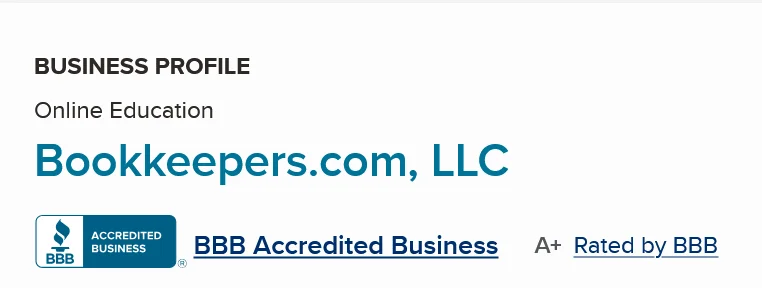
According to its BBB profile, Bookkeepers.com offers online courses to help people start and grow a virtual bookkeeping business, and its listed services include bookkeeping courses, business training, client services, marketing techniques, and systems development.
Student feedback is also very positive, with reviews regularly highlighting the course structure, depth of training, beginner-friendly lessons, supportive community, and practical business-building guidance.
In other words, it is not just about learning bookkeeping theory — it is built around helping students move toward offering bookkeeping services professionally.
For anyone who wants a guided, structured path rather than trying to piece everything together alone from free videos and random online advice, Bookkeeper Launch is well worth exploring.
Check out the free training and discover if it’s the right program for you!